
Foreclosure Defense Attorneys
14,094 verified foreclosure attorneys across the United States. Defense against foreclosure and loan modification negotiation. Compare verified foreclosure attorneys nationwide by experience, peer ratings, and client reviews — get matched with counsel in any state, free for clients.

Seni Popat is a lawyer practicing bankruptcy, bankruptcy chapter 7, chapter 13 and 26 other areas of law. Seni received a B.A. degree from Hofstra Uni...

Attorney Joel R. Spivack has more than 30 years of experience representing clients in consumer bankruptcy cases and residential real estate transactio...

For over 28 years, Michigan Bankruptcy Lawyer Walter A. Metzen has represented thousands of consumers needing a fresh financial start.

Mr. Vyzas received his start as a legal aide in the New York State Department of Law, Real Estate Financing Bureau, where he reviewed cooperative, con...

Mr. Easa Ronny Mousa is a lawyer practicing trusts and estates, adoption, advocacy and 23 other areas of law.

Mr Mark S. Bosco is a lawyer practicing banking law, general real estate practice, bankruptcy and 5 other areas of law.

Rich Masana is the Managing Partner of Masana Bankruptcy Law. Rich, a native New Yorker who had moved to Colorado for law school, is a graduate of the...

Counselor Jorge Delgado has been practicing law since 2005, when he was licensed as an attorney in New York and New Jersey. He obtained his Juris Doct...

David L. Lash practices at David L.

Attorney John D. Sarai is a seasoned professional with expertise in bankruptcy, personal injury, consumer protection, and debt relief for individuals ...
Stephen Lewis Pasta is a lawyer practicing business law, business formation, contracts and 26 other areas of law. Stephen received a B.A. degree from ...

Anne Penachio practices at Penachio Malara, LLP Read Full Bio
Barbara Jean Leach is a lawyer practicing animal law, bankruptcy, family law and 9 other areas of law. Barbara received a B.A. degree from Rollins Col...

James Richard Ketchum is a lawyer practicing conveyancing, easements, land acquisitions and 38 other areas of law. James received a B.B.A. degree from...

Kevin Tang is the leading attorney at KT Bankruptcy Lawyer, APLC, a reputable law firm with locations across California. With over a decade of experie...

Rich Fonfrias is a respected Financial Rescue and Bankruptcy Lawyer based in Chicago, Illinois. He has practiced law for 13 years and has in-depth exp...
Mr. Evan Maxwell Rosen is a lawyer practicing estate planning, mortgage foreclosure defense, real estate closings and 8 other areas of law.

After law school and passing the Bar exam, I clerked for a bankruptcy judge. I have practiced exclusively in bankruptcy law for almost 27 years.
Mr. Alberto Emilio Acuna is a lawyer practicing probate & trust, advocacy, civil litigation and 11 other areas of law.

Robert Patrick Riordan is a lawyer practicing corporate law, banking, creditor bankruptcy and 9 other areas of law. Robert received a B.A. degree from...

My name is Jeremy T. Cranford.

C. Larry Hofmeister, Jr. is a lawyer practicing workouts and foreclosures, litigation, bankruptcy.

Susan Chana Lask is a lawyer practicing appeals & us supreme court, civil rights, divorce and child custody and 14 other areas of law. Susan received ...

Robert S. Cohen is a lawyer practicing commercial foreclosure, creditors' rights & bankruptcy, equipment & vehicle leasing and 2 other areas of law.
Christopher Matthew Baker practices at Attorney Read Full Bio
Kevin P. Holmes is a lawyer practicing appeals, bankruptcy/debtor/creditor/consumer, civil litigation and 15 other areas of law.

Pi Sigma Alpha; Eta Sigma Phi; Phi Delta Phi. Member, University of Florida International Law Journal, 1986-1987.
Carlos Ramon Arias is a lawyer practicing probate & trust, arbitration, bankruptcy and 12 other areas of law. Carlos received a B.A. degree from Unive...
Reinaldo J Dorta, Jr. is a lawyer practicing criminal defense, personal injury, workers' compensation and 26 other areas of law. Reinaldo received a B...

Alina Marie Morros is a lawyer practicing amusement park accidents, auto defects, bed bugs and 26 other areas of law. Alina received a B.A. degree fro...

Phi Beta Kappa. Recipient, Law School Honor Scholarship, Washington & Lee University.

W. Trent Steele was born in Staunton, Virginia, but has been a lifelong resident of South Florida.
Kenneth Harlan Dramer is a lawyer practicing debt settlement, credit repair, real estate and 5 other areas of law. Kenneth received a B.S. degree from...
Michael Sean Brown is a lawyer practicing criminal defense, contracts & agreements, real estate and 7 other areas of law. Michael received a B.S. degr...

Jason Nels Vogelpohl is a lawyer practicing bankruptcy, consumer bankruptcy, foreclosure & alternatives and 14 other areas of law. Jason received a B....

Attorney Matthew Floyd is an experienced lawyer that provides top-notch legal services to his clients through intense dedication to his practice. He h...
When the World Is On Your Shoulders, We've Got Your Back! Personal professional legal experience you can count on when you need it the most with well ...

Roy A. Diaz practices at Diaz Anselmo & Associates P.A.

Jason P. Hoffman is a lawyer practicing purchase agreement, contract for deed, deed and 12 other areas of law.

I am the owner of Benjamin Law Practice, PLLC. I am a Consumer Protection Litigation Attorney specializing in Commercial and Residential Foreclosure d...

Maurice Edward Graham is a lawyer practicing bankruptcy chapter 7, bankruptcy chapter 13, personal bankruptcy and debt solutions and 12 other areas of...

Bob Lee began practicing law in 1977 and his areas of practice include general civil litigation, wills, probate, personal injury, creditor bankruptcy,...
Mr. Jed Lyle Frankel is a lawyer practicing probate & trust, appellate work, business law and 14 other areas of law.
Mr. William Marvin Wilson III is a lawyer practicing litigation, real estate, class action litigation and 10 other areas of law.
Mr. Todd L Wallen is a lawyer practicing product liability litigation, appeals, appellate practice and 9 other areas of law.

Member, Moot Court Honor Board. Production Editor, Suffolk Journal of Trial and Appellate Advocacy, 1996-1998.

Kristie Estevez-Puentes is a lawyer practicing real estate, conveyancing, easements and 39 other areas of law. Kristie received a degree from Universi...

Rajeh A Saadeh is a lawyer practicing divorce, family law, matrimonial law and 27 other areas of law. Rajeh received a B.A. degree from Rutgers Univer...

Nicole Mariani Noel is a lawyer practicing probate & trust, bankruptcy, business law and 2 other areas of law. Nicole received a B.S. degree from Flor...

Richard E. Palumbo, Jr. is a lifelong resident of Rhode Island.
Garry Joseph Mc Cubbin is a lawyer practicing foreclosure, real estate litigation, mortgage foreclosure and 1 other area of law. Garry received a B.A....

Mr. David Harris Rosenberg is a lawyer practicing residential real estate, commercial real estate, real estate agents and 16 other areas of law.
Robert J Wichowski is a lawyer practicing appellate practice, mortgages, foreclosures and 10 other areas of law. Robert received a B.A. degree from Ru...

Andrew Phan is a lawyer practicing bankruptcy, bankruptcy chapter 7, bankruptcy chapter 11 and 20 other areas of law. Andrew received a degree from Ca...

Chase J. Zortman practices at Zortman Law Read Full Bio
Lauren Elizabeth Yupangco is a lawyer practicing foreclosure, real estate. Lauren received a B.A. degree from University of Miami in 2005, and has bee...
Sean Phillip Saval is a lawyer practicing civil practice, consumer fraud, appellate practice and 4 other areas of law. Sean received a B.A. degree fro...
Mr. Cory Brian Kravit is a lawyer practicing commercial real estate, business, civil litigation and 11 other areas of law.

Ms. Vicki Mcalister Skaggs is a lawyer practicing collections, foreclosures, bankruptcy and 1 other area of law.

Linda V. Donhauser is a lawyer practicing banking & finance, asset-based lending & commercial finance, distressed loans, restructurings & workouts and...
What is Foreclosure?
Foreclosure is the branch of law that governs the rights, obligations, and disputes that arise within its subject matter. In the United States, foreclosure sits at the intersection of statutes enacted by Congress, the regulations issued by federal agencies, the laws passed by all fifty state legislatures, and the body of judge-made decisions known as the common law. Because every state writes its own version of the rules, the way foreclosure works in one jurisdiction can look noticeably different from how it works in another, and that is one of the main reasons attorneys in this area focus their practice geographically — to stay fluent in the local statutes, court rules, and judicial preferences that shape outcomes.
At a practical level, Foreclosure attorneys spend their time on three categories of work. The first is advice and prevention: counselling clients on how to structure transactions, draft documents, and conduct business so that legal risk is minimised before a dispute ever begins. The second is transactional execution: producing the contracts, filings, notices, and registrations that the law actually requires to make a decision legally binding. The third is contested representation: defending or pursuing a client's interests when a dispute escalates to negotiation, regulatory enforcement, arbitration, or litigation in court.
The clients who hire Foreclosure lawyers range from individuals navigating a single life event to multinational corporations with complex regulatory exposure. What unifies them is the need for an experienced lawyer who knows the relevant code sections, has appeared in the relevant courts, and can translate the strategic options into language a client can act on. AttorneyQnA currently lists 14,094 verified foreclosure attorneys across the United States, each with a public profile showing their bar admissions, years in practice, and the kinds of matters they have handled — with the deepest concentration of practitioners in Florida.
When do you need a Foreclosure attorney?
Most people contact a foreclosure lawyer for one of two reasons: something is about to happen that they want done correctly the first time, or something has gone wrong and they need it fixed before it gets worse. The earlier you involve counsel, the more options you usually have, and the lower the cost of getting to a resolution tends to be. The scenarios below are the ones we see most often on AttorneyQnA from prospective clients searching for foreclosure representation.
Once your signature is on a contract, settlement, lease, or release, your bargaining leverage drops sharply. A short pre-signature review by a foreclosure lawyer is the cheapest insurance you can buy.
Cease-and-desist letters, regulatory notices, and demand letters all start clocks. Missing the response window can convert a manageable problem into a default judgment or formal enforcement action.
Statutes of limitations, filing windows, and appeal periods are jurisdictional — courts cannot extend them as a favour. If you can identify a date that matters, you need a lawyer before that date arrives.
The moment opposing counsel appears, the conversation moves out of normal English and into procedural language. Continuing unrepresented usually means losing ground you cannot recover later.
Forming an entity, choosing a venue, structuring a deal, or selecting a remedy each has long-term consequences. A consultation at the planning stage is far cheaper than redoing it after the fact.
Multi-state matters bring conflict-of-laws questions that change which statutes apply and which court has authority. An attorney licensed in the right jurisdiction is not optional.
If any of the situations above describes where you are right now, the next step is a focused consultation. Use the Ask a Lawyer tool for short written questions, or browse the 14,094 foreclosure attorneys listed above to book a paid consultation directly.
How to choose a Foreclosure attorney
The single biggest factor in choosing a foreclosure lawyer is fit with your specific matter. A lawyer with twenty years of foreclosure experience but no exposure to your particular sub-issue can easily be a worse choice than a five-year associate who has handled the same problem repeatedly. We recommend running every prospective lawyer through the same five-step checklist before signing an engagement letter.
- Bar admission in the correct jurisdiction. Confirm the lawyer is admitted in the state — and where relevant, the federal district — where your matter sits. The lawyer's profile on AttorneyQnA shows every bar admission on file, and the underlying state bar's "lawyer lookup" tool will confirm active standing in under a minute.
- Direct experience with your fact pattern. Ask plainly: "How many matters like mine have you handled in the last three years, and how did they resolve?" An honest answer reveals more than years-in-practice alone.
- A written fee agreement. Whether hourly, flat fee, contingent, or hybrid, the engagement letter should specify what is included, what triggers additional charges, and how disputes are handled. Avoid lawyers who resist writing the terms down.
- Communication cadence. Decide upfront how often you expect updates, who your day-to-day contact will be, and what response time is reasonable. The number-one complaint filed with state bar grievance committees is not malpractice — it is non-communication.
- Conflict check + reputation pulse. Make sure the lawyer has run a formal conflict check, then spend ten minutes reading independent reviews and any public disciplinary history. The state bar's website is authoritative for the second; the lawyer's AttorneyQnA profile collects the first.
Once you have a shortlist, schedule consultations with two or three. Lawyers vary widely in temperament, and the right strategic match for your case is sometimes the second or third lawyer you meet — not the first.
How much does a Foreclosure lawyer cost?
Legal fees in the United States are not regulated by a uniform schedule, so what you pay a foreclosure lawyer depends on the billing model the lawyer offers, the complexity of your matter, and the local market. There are four billing structures used in this practice area; most engagements use one, but hybrid arrangements are increasingly common.
1. Hourly billing
The default model for most non-contingent matters. Rates for foreclosure attorneys in the U.S. typically range from $150–$250/hour in smaller markets to $400–$700/hour in major metropolitan areas, with senior partners at large firms commanding $900/hour and above. Hourly billing is fairest when the scope of work is genuinely unpredictable, but it creates an incentive structure that the client has to monitor.
2. Flat fee
Increasingly used for well-defined transactions — incorporations, will drafting, single-issue filings, uncontested matters. A flat fee tells you exactly what the deliverable will cost, and the lawyer absorbs the risk of unexpected complexity. Ask whether the flat fee includes filing fees, third-party costs, and any post-filing follow-up.
3. Contingency
Where it is permitted by the rules of professional conduct — most often in plaintiff-side foreclosure work involving monetary recovery — the lawyer is paid a percentage of the proceeds, typically 33% before suit is filed and 40% after. The client pays nothing if there is no recovery. Contingency fees align the lawyer's economics with yours, but the percentage compounds across time, so very strong cases sometimes do better on hourly billing.
4. Retainer / subscription
A monthly fee that buys a defined block of access or hours. This is common for businesses with ongoing foreclosure needs — contract review, employee questions, regulatory check-ins. A subscription smooths out spending and gives the lawyer a reason to know your operation in depth.
Whichever model you choose, ask for an itemised written estimate before the engagement begins, and ask explicitly what is not covered. Surprise expenses are the most common source of attorney-client friction.
Frequently asked questions about foreclosure
How quickly can a foreclosure lawyer review my matter?
Most lawyers can schedule an initial consultation within 1–3 business days. Urgent matters — pending deadlines, time-sensitive notices, court-ordered hearings — should be flagged in your first message; many lawyers reserve emergency consultation slots for that reason. If you need a written answer faster, the Ask a Lawyer tool typically returns answers in under 24 hours.
Do I need a foreclosure lawyer in my exact city, or anywhere in my state?
Bar admission is the controlling rule: any attorney licensed in your state can represent you in that state's courts and agencies, regardless of which city they're based in. Practical proximity still matters for in-person meetings, local court familiarity, and access to the local bench and bar. For state-level filings and remote-friendly matters, an attorney elsewhere in the same state often works fine.
Will an initial consultation cost me anything?
Many foreclosure attorneys offer a free 15- to 30-minute initial consultation; others charge a flat consultation fee that may be credited against the engagement if you hire them. The lawyer's profile lists the consultation policy. Free does not always mean better — a fee-based consultation is sometimes the sign of a lawyer who treats their time, and yours, seriously.
What documents should I bring to the first meeting?
Bring every contract, notice, letter, filing, or written communication connected to the matter; a written timeline of events with dates; the names and contact details of every other party involved; and any deadlines or hearing dates you are already aware of. Even an incomplete file is more useful than a verbal summary alone.
Can I change lawyers if I am not happy with mine?
Yes. Clients can discharge their lawyer at any time, for any reason, by written notice. Your case file belongs to you and must be transferred to your new counsel. Any unpaid fees through the date of discharge remain owed; any unearned advance must be refunded. If you are mid-litigation, the court typically must approve the substitution, but approval is routine.
How long does a typical foreclosure matter take?
It depends almost entirely on whether the matter is transactional or contested. A transactional matter — a contract, a filing, a single-step transaction — can resolve in days to weeks. A contested matter — anything involving disputed facts, court intervention, or regulatory action — typically takes months at minimum, and complex cases can run multiple years. Your lawyer should give you a realistic outside estimate at intake.
Are foreclosure lawyer fees tax-deductible?
It depends on the nature of the matter and current tax law. Fees connected to producing or collecting taxable income, managing investment property, or operating a business are often deductible; fees for personal matters generally are not. Because rules change, confirm deductibility with a tax professional for the year in which the fees are paid.
What is the difference between foreclosure and the related practice areas?
Foreclosure overlaps with several adjacent areas — see the related-practice-area grid below for direct links. Choosing the right lawyer often means picking the one whose primary focus matches the heart of your problem, even if multiple labels could technically apply. When you are unsure, list your situation in your own words to two lawyers from neighbouring areas and ask which one of them is the better fit; honest lawyers will tell you.
Find foreclosure attorneys by state
Each state link below opens the foreclosure roster for that jurisdiction, with the local statute of limitations, court-system overview, and verified attorneys.
Foreclosure Law Firms
Main Law Firm
Winter Park
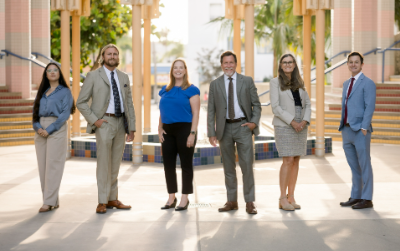
Walton Law Firm
San Marcos
Bruner Law Firm
Fort Walton Beach

J&Y Law Firm
Los Angeles

West Law Firm
Charleston
John T. Floyd Law Firm
Houston
Foreclosure by State
All states →Find foreclosure attorneys in every US state. Each state link opens a hub with verified attorneys, the state filing deadline, and a free attorney match.